Adolescent Privacy Rights: A Critical Issue in India’s Evo
Adolescent Privacy Rights: A Critical Issue in India’s Evolving Digital Landscape
|
The rapid advancement of technology has transformed the lives of adolescents in India, providing unprecedented access to information, social connectivity, and learning tools. However, this digital revolution has also created a complex challenge—safeguarding the privacy of adolescents who are increasingly exposed to data collection, surveillance, and digital vulnerabilities.
The Digital Age and Privacy Concerns
With the rise of smartphones, social media, and e-learning platforms, adolescents are more engaged online than ever before. While this engagement fosters education and global connectivity, it also opens the door to potential privacy violations. From the sharing of personal information to location tracking and targeted advertisements, the digital footprints left by adolescents make them susceptible to privacy breaches.
Legal Framework in India
India's legislative framework to protect adolescent privacy is still in a nascent stage. The Information Technology Act, 2000 and its amendments provide a general structure, but they lack a dedicated focus on minors. The proposed Personal Data Protection Bill (PDP Bill) aims to address this gap by introducing stricter provisions for processing the personal data of minors, including parental consent requirements and restrictions on data profiling of children. However, the bill has yet to become law, and until then, the protection remains inadequate.
Privacy in Education and Social Media
Adolescents are increasingly participating in online educational platforms, especially post-pandemic, where digital learning has taken center stage. While these platforms provide valuable educational resources, the amount of personal data collected from young users—ranging from their academic performance to behavioral patterns—raises serious privacy concerns.
Similarly, social media platforms expose adolescents to privacy risks, including cyberbullying, stalking, and the sharing of sensitive personal information without informed consent. Social media companies often collect data to build profiles for targeted advertising, further complicating the matter of adolescent data protection.
The Role of Parents and Guardians
As legal frameworks evolve, the role of parents and guardians in ensuring the privacy of adolescents cannot be overstated. Educating adolescents about the potential risks of sharing personal information online and monitoring their digital activities responsibly are critical steps in minimizing privacy violations. However, excessive parental control may also lead to infringement on the adolescent’s right to autonomy, creating a delicate balance.
Supreme Court's Stance on Privacy
The Supreme Court of India’s landmark decision in the Puttaswamy Case (2017), which recognized privacy as a fundamental right under Article 21, applies to all citizens, including adolescents. The court acknowledged that minors deserve special protection due to their age and vulnerability, placing a duty on the state to ensure that their right to privacy is safeguarded in the digital age.
Conclusion
As India continues to navigate its digital transformation, protecting the privacy of adolescents has become an urgent issue. The pending Personal Data Protection Bill is a step in the right direction, but until it is enacted, legal professionals, educators, parents, and guardians must work together to create a safe and privacy-conscious environment for adolescents online.
Adolescent privacy rights are not just about legal compliance—they are about preserving the dignity, autonomy, and security of the next generation.
Post Categories
Featured Posts








Latest Posts








Latest Posts
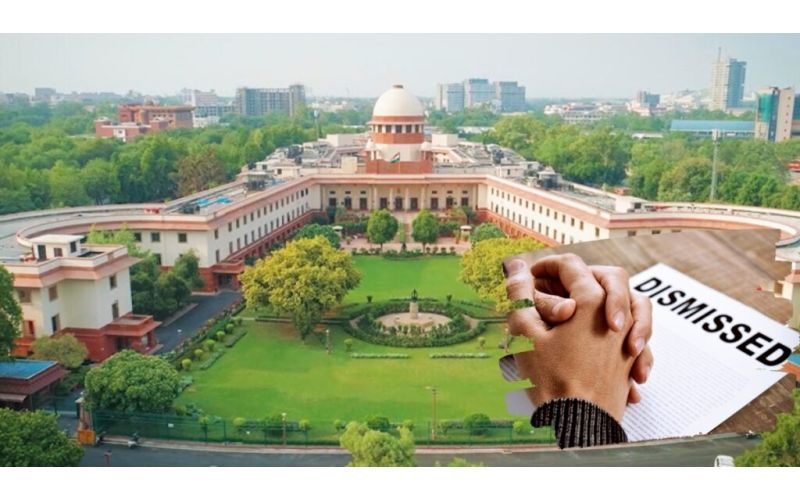
2020 Delhi Riots: SC Dismisses Delhi Police’s Pleas Against HC Verdicts Granting Bail To Three Student Activists
The Supreme Court on Tuesday dismissed the pleas filed by the Delhi Police against the bail granted to three student activists in the 2020 North East Delhi riots case. A bench of Justices S K Kaul and A Amanullah passed the order ...

𝐋𝐞𝐠𝐚𝐥 𝐄𝐭𝐡𝐢𝐜𝐬 & 𝐏𝐫𝐨𝐟𝐞𝐬𝐬𝐢𝐨𝐧𝐚𝐥𝐢𝐬𝐦: 𝐁𝐮𝐢𝐥𝐝𝐢𝐧𝐠 𝐓𝐫𝐮𝐬𝐭 𝐢𝐧 𝐭𝐡𝐞 𝐋𝐞𝐠𝐚𝐥 𝐈𝐧𝐝𝐮𝐬𝐭𝐫𝐲
🔹 𝑰𝒏𝒕𝒆𝒈𝒓𝒊𝒕𝒚. 𝑨𝒄𝒄𝒐𝒖𝒏𝒕𝒂𝒃𝒊𝒍𝒊𝒕𝒚. 𝑪𝒐𝒏𝒇𝒊𝒅𝒆𝒏𝒕𝒊𝒂𝒍𝒊𝒕𝒚. These pillars define a true legal professional. But in today’s fast-paced legal landscape, how do we maintain them? ✔ 𝑼𝒑𝒉𝒐𝒍𝒅𝒊𝒏𝒈 𝑪𝒍𝒊𝒆𝒏𝒕 𝑪𝒐𝒏𝒇𝒊𝒅𝒆𝒏𝒕𝒊𝒂𝒍𝒊𝒕𝒚: A lawyer’s duty is to protect sensitive information—breaching it damages trust. ✔ 𝑨𝒗𝒐𝒊𝒅𝒊𝒏𝒈 ...
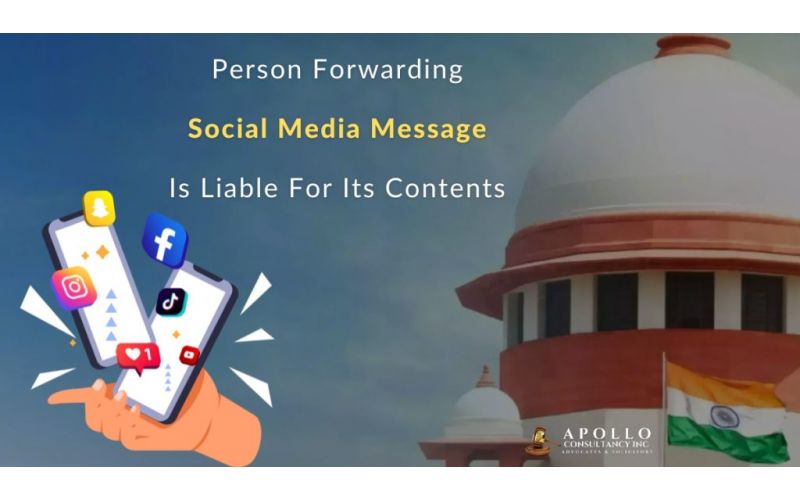
Supreme Court Sides With Madras HC: Person Forwarding Social Media Messages Liable For Contents
The Madras High Court had noted that Shekher was a person of high stature and had many followers. It stated that he should have exercised more caution when forwarding messages. The Supreme Court refused to entertain an appeal challenging Madras ...
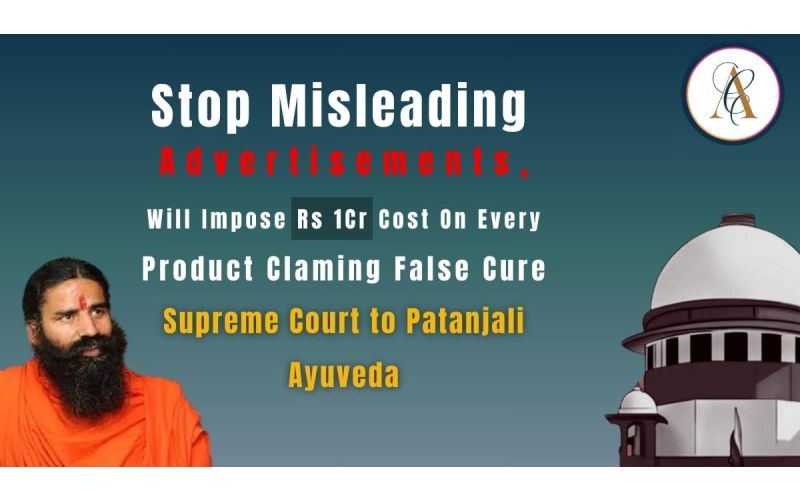
Stop Misleading Advertisements, Will Impose Rs 1 Crore Cost On Every Product Claiming False Cure: Supreme Court To Patanjali Ayurved
The Supreme Court on Tuesday (November 21) reprimanded the Patanjali Ayurved for continuing to publish misleading claims and advertisements against modern systems of medicine. While considering a petition filed by the Indian Medical Association against misleading advertisements, the bench comprising ...

SC : Divorce Can Be Granted On ‘Grounds Of Irretrievable Breakdown’
The Supreme Court on May 1 held that it can use its extraordinary powers to do “complete justice” under Article 142 of the Constitution and dissolve a marriage on the ground of ‘irretrievable breakdown’ of the union. Usually, the apex ...

ED Summons: What to Do & What NOT to Do (Complete Legal Guide – 2026)
Receiving a summons from the Enforcement Directorate (ED) can be stressful and confusing for individuals, business owners, and company directors. However, understanding your legal rights and obligations can help you respond effectively and avoid serious consequences. This guide explains what ...

Speak With Our
Get a Appointment