
Be Vigilant Before Invoking Stringent Laws Like SC-ST Act :
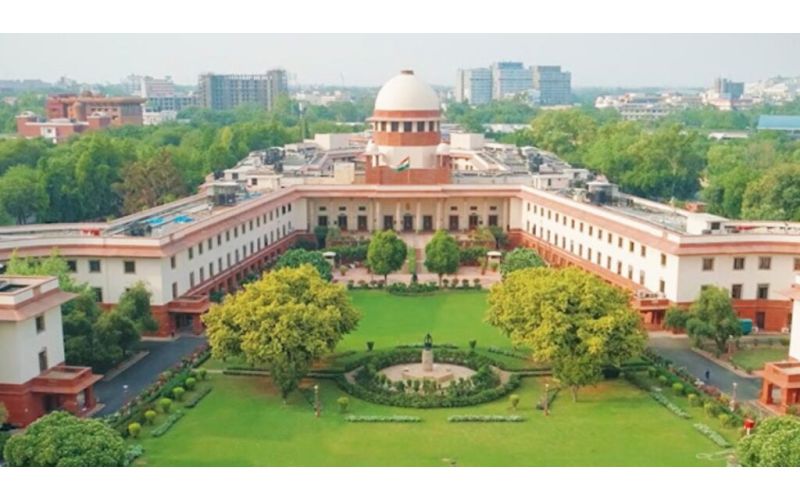
Be Vigilant Before Invoking Stringent Laws Like SC-ST Act : Supreme Court ‘Reminds’ Police Officers
|
In a recent case, the Supreme Court reminded police officers of their duty to be vigilant before invoking provisions of stringent laws such as the SC-ST (Prevention of Atrocities) Act, stating that officers must be satisfied that the provisions apply to the specific case at hand.
However, the court made clear that this was not to dilute the applicability of such laws, but only to remind officers not to mechanically apply them without reference to the factual position.
The bench of Justices Dinesh Maheshwari and Ahsanuddin Amanullah observed.
“This Court would indicate that the officers, who institute an FIR, based on any complaint, are duty bound to be vigilant before invoking any provision of a very stringent statute, like the SC/ST Act, which imposes serious penal consequences on the concerned accused. The officer has to be satisfied that the provisions he seeks to invoke prima facie apply to the case at hand. We clarify that our remarks, in no manner, are to dilute the applicability of special/stringent statutes, but only to remind the police not to mechanically apply the law, dehors reference to the factual position.”
The case itself involved an appeal filed by a construction company managing director challenging an FIR registered against him under the SC-ST Act, which the court deemed to be frivolous, vexatious, and oppressive.
The Supreme Court noted that the dispute underlying the FIR was essentially civil in nature and appeared to be motivated by malafide, as it was raised only after the land in question had been developed and apartments sold to other allottees.
The court ruled:
“What is evincible from the extant case-law is that this Court has been consistent in interfering in such matters where purely civil disputes, more often than not, relating to land and/or money are given the colour of criminality, only for the purposes of exerting extra-judicial pressure on the party concerned, which, we reiterate, is nothing but abuse of the process of the court. In the present case, there is a huge, and quite frankly, unexplained delay of over 60 years in initiating dispute with regard to the ownership of the land in question, and the criminal case has been lodged only after failure to obtain relief in the civil suits, coupled with denial of relief in the interim therein to the respondent no.2/her family members. It is evident that resort was now being had to criminal proceedings which, in the considered opinion of this Court, is with ulterior motives, for oblique reasons and is a clear case of vengeance.
The Court would also note that even if the allegations are taken to be true on their face value, it is not discernible that any offence can be said to have been made out under the SC/ST Act against the appellant. The complaint and FIR are frivolous, vexatious and oppressive.”
Post Categories
Featured Posts


Latest Posts







Latest Posts

#𝐊𝐧𝐨𝐰𝐓𝐡𝐞𝐋𝐚𝐰 | 𝐂𝐚𝐧 𝐘𝐨𝐮 𝐅𝐢𝐫𝐞 𝐚𝐧 𝐄𝐦𝐩𝐥𝐨𝐲𝐞𝐞 𝐖𝐢𝐭𝐡𝐨𝐮𝐭 𝐍𝐨𝐭𝐢𝐜𝐞?
YES! 🚫 𝐎𝐧𝐥𝐲 𝐢𝐧 𝐞𝐱𝐜𝐞𝐩𝐭𝐢𝐨𝐧𝐚𝐥 𝐜𝐚𝐬𝐞𝐬 — like proven misconduct, criminal activity, or if the employment contract specifically permits termination without notice. 🧾 𝐔𝐧𝐝𝐞𝐫 𝐭𝐡𝐞 𝐈𝐧𝐝𝐮𝐬𝐭𝐫𝐢𝐚𝐥 𝐃𝐢𝐬𝐩𝐮𝐭𝐞𝐬 𝐀𝐜𝐭, 1947, and state-specific Shops & Establishment Acts, arbitrary dismissal can invite legal ...

KnowTheLaw | Can NRIs Buy Agricultural Land in India?
🌾 No — NRIs are not allowed to purchase agricultural land, plantation property, or farmhouses in India, as per RBI guidelines. However, they can inherit or receive such land as a gift from a resident Indian. 📌 Important: Violating this ...

NEET-PG : Supreme Court Dismisses Plea Challenging Reduction Of NEET-PG 2023 Qualifying Percentile To Zero
The Supreme Court on Monday (September 25) dismissed a petition challenging the decision of the Union Government to reduce the cut-off for post-graduate medical college admissions through NEET-PG 2023 exam as zero percentile. A bench comprising dismissed a PIL filed ...
Grant Of Bail Can't Be Made Dependent On Surrender Of Co-Accused : Supreme Court
A Division Bench of the Supreme Court, while allowing a bail plea, held that the grant of bail to a co-accused person cannot be contingent on the surrender of another accused who is also pertinently the main accused in the ...

Supreme Court Seeks Union's Stand Regarding Cryptocurrency
The Centre has told the Supreme Court it is yet to take a decision on a mechanism to regulate cryptocurrencies and effectively investigate related offences. A bench of justices Surya Kant and KV Viswanathan was told by Additional Solicitor General ...
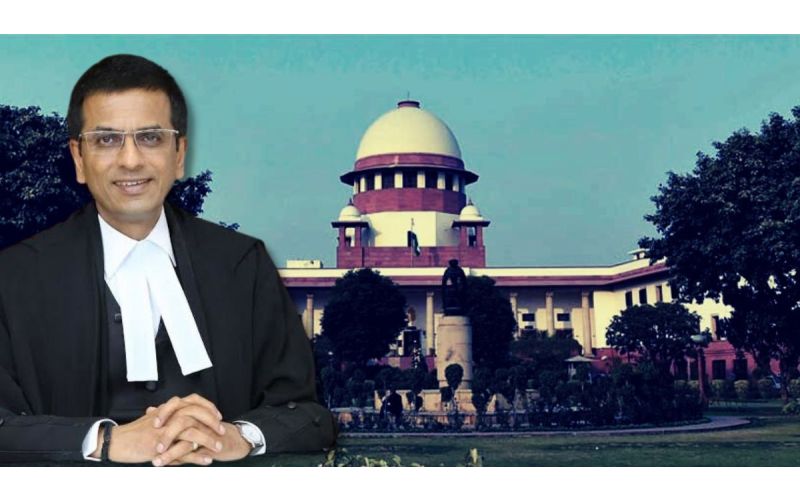
Can’t Seek Immunity From Legal Provisions Because Contract In President’s Name: SC
Defending the Centre, ASG argued that the contract in the case stands on a different footing as it is entered into in the name of the President.The Union of India cannot demand an immunity from the operation of pertinent legal ...

Speak With Our
Get a Appointment