
'No right for queer couples to jointly adopt’: SC in same-
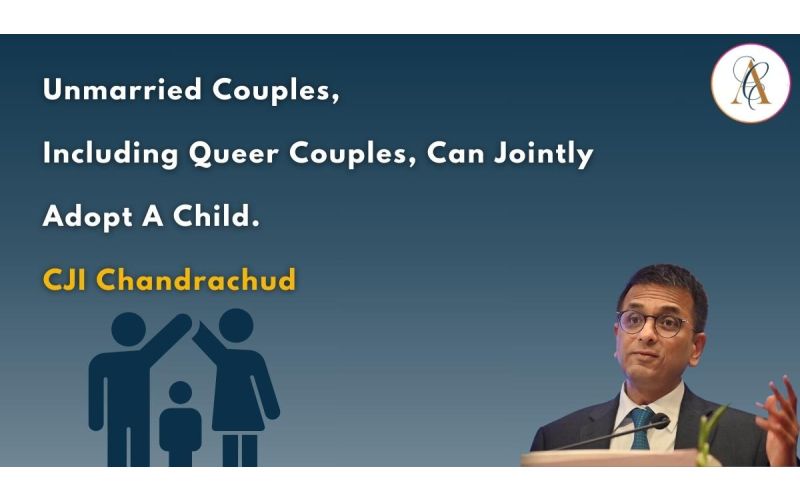
'No right for queer couples to jointly adopt’: SC in same-sex marriage verdict
|
The CJI said the law didn't preclude unmarried couples from adopting.
Chief Justice of India DY Chandrachud, while announcing his verdict on a clutch of petitions demanding legal status to same-sex marriages, today struck down the Central Adoption Resource Authority's (CARA) regulation that restricted queer and unmarried couples from adopting children. The five-judge bench, however, in a 3:2 verdict, ruled that non-heterosexual couples cannot be granted the right to jointly adopt a child.
CJI Chandrachud said it couldn't be assumed only "heterosexual married couples can be good parents".
CARA is a statutory body affiliated to the Ministry of Women and Child Development. It is the nodal body for adoption of Indian children. It regulates and monitors all adoptions taking place in India, including inter-country adoptions.
The CJI said the law didn't preclude unmarried couples from adopting, and that the Union of India hadn't proven restricting unmarried couples from adopting was in the best interest of children. "CARA has exceeded its authority in barring unmarried couples," he said.
"Differentia between married couples and unmarried couples has no reasonable nexus with the objective of CARA - the best interests of the child," CJI Chandrachud said.
He said the CARA circular (which excludes queer couples from adoption) is violative of Article 15 of the Constitution, reported Live Law.
The Supreme Court on Tuesday declined to grant legal recognition to same-sax marriages, holding that it is only for Parliament and state legislatures to create such institutions and grant them legal validation.
The Constitution bench -- comprising CJI Dhananjaya Y Chandrachud and justices Sanjay Kishan Kaul, S Ravindra Bhat, Hima Kohli and PS Narasimha -- were unanimous in their judgement that it was beyond the remit of courts to issue a positive direction to the legislature to accord legal recognition to same-sex marriages.
The court refused to change the meaning of the Special Marriage Act. However, it declared queer couples have the right to cohabit without any threat of violence, coercion or interference.
Three of the five judges ruled there can't be a right to form civil unions. By the same majority, the court also held that non-heterosexual couples cannot be granted the right to jointly adopt a child.
Post Categories
Featured Posts


Latest Posts








Latest Posts

#𝐊𝐧𝐨𝐰𝐓𝐡𝐞𝐋𝐚𝐰 | 𝐂𝐚𝐧 𝐘𝐨𝐮 𝐅𝐢𝐫𝐞 𝐚𝐧 𝐄𝐦𝐩𝐥𝐨𝐲𝐞𝐞 𝐖𝐢𝐭𝐡𝐨𝐮𝐭 𝐍𝐨𝐭𝐢𝐜𝐞?
YES! 🚫 𝐎𝐧𝐥𝐲 𝐢𝐧 𝐞𝐱𝐜𝐞𝐩𝐭𝐢𝐨𝐧𝐚𝐥 𝐜𝐚𝐬𝐞𝐬 — like proven misconduct, criminal activity, or if the employment contract specifically permits termination without notice. 🧾 𝐔𝐧𝐝𝐞𝐫 𝐭𝐡𝐞 𝐈𝐧𝐝𝐮𝐬𝐭𝐫𝐢𝐚𝐥 𝐃𝐢𝐬𝐩𝐮𝐭𝐞𝐬 𝐀𝐜𝐭, 1947, and state-specific Shops & Establishment Acts, arbitrary dismissal can invite legal ...

𝐖𝐡𝐲 𝐋𝐞𝐠𝐚𝐥 𝐃𝐮𝐞 𝐃𝐢𝐥𝐢𝐠𝐞𝐧𝐜𝐞 𝐢𝐬 𝐂𝐫𝐮𝐜𝐢𝐚𝐥 𝐁𝐞𝐟𝐨𝐫𝐞 𝐀𝐧𝐲 𝐁𝐮𝐬𝐢𝐧𝐞𝐬𝐬 𝐌𝐞𝐫𝐠𝐞𝐫
Why Legal Due Diligence is Crucial Before Any Business Merger 📢 Planning a merger or acquisition? Don’t skip legal due diligence—it can make or break the deal! Here’s why: 🔎 What is Legal Due Diligence?It’s a comprehensive review of a ...
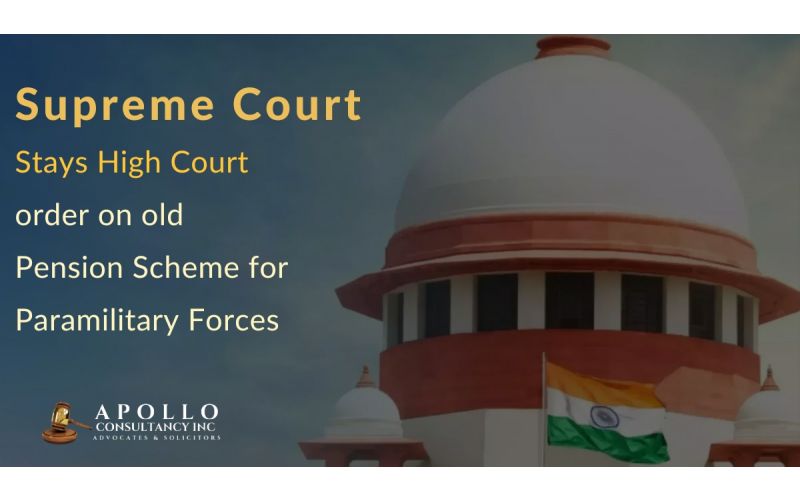
Supreme Court Stays High Court Order On Old Pension Scheme For Paramilitary Forces
The Supreme Court on Friday stayed the Delhi High Court judgment which held that the old pension scheme (OPS) will be implemented in the Central Paramilitary Forces (CAPF). During a brief hearing, a bench of Justices Sanjeev Khanna and Bela ...

𝐔𝐩𝐡𝐨𝐥𝐝𝐢𝐧𝐠 𝐄𝐭𝐡𝐢𝐜𝐬 𝐚𝐧𝐝 𝐏𝐫𝐨𝐟𝐞𝐬𝐬𝐢𝐨𝐧𝐚𝐥 𝐑𝐞𝐬𝐩𝐨𝐧𝐬𝐢𝐛𝐢𝐥𝐢𝐭𝐲 𝐢𝐧 𝐓𝐨𝐝𝐚𝐲’𝐬 𝐋𝐞𝐠𝐚𝐥 𝐋𝐚𝐧𝐝𝐬𝐜𝐚𝐩𝐞!
In the realm of law, ethics and professional responsibility form the bedrock upon which trust, integrity, and justice stand. As guardians of the legal system, it is incumbent upon legal professionals to adhere to the highest ethical standards, ensuring fairness, ...
Won’t interfere with firecracker ban in Delhi: SC
Ahead of the festive season, the Supreme Court on Wednesday said that it would not interfere with a decision of a state government if it decides to impose a complete ban on firecrackers, including green crackers, to check pollution level ...
Stop Misleading Advertisements, Will Impose Rs 1 Crore Cost On Every Product Claiming False Cure: Supreme Court To Patanjali Ayurved
The Supreme Court on Tuesday (November 21) reprimanded the Patanjali Ayurved for continuing to publish misleading claims and advertisements against modern systems of medicine. While considering a petition filed by the Indian Medical Association against misleading advertisements, the bench comprising ...

Speak With Our
Get a Appointment