
Protecting Your Rights in Family Law Matters: Legal Solution

Protecting Your Rights in Family Law Matters: Legal Solutions for NRIs ⚖️
|
Navigating family law matters can be especially challenging for Non-Resident Indians (NRIs) who may face unique legal complexities. Whether dealing with divorce, child custody, or property disputes, understanding your rights and available legal solutions is crucial.
Here are some key points NRIs should consider:
1️⃣ Understand the Legal Framework: Family law in India varies by religion, with different statutes governing Hindus, Muslims, Christians, and others. Familiarizing yourself with the applicable laws is essential for effectively protecting your rights.
2️⃣ Seek Legal Counsel: Engage a qualified lawyer specializing in family law to guide you through the process. Professional advice can help you understand your rights, responsibilities, and the best course of action.
3️⃣ Documentation is Key: Keep thorough records of all relevant documents, including marriage certificates, property deeds, and communication related to family matters. Proper documentation can support your case in legal proceedings.
4️⃣ Child Custody Considerations: If facing custody disputes, remember that Indian courts prioritize the child's welfare. Be prepared to present a case that demonstrates your ability to provide a stable environment for your child.
5️⃣ Mediation and Alternative Dispute Resolution (ADR): Consider mediation as a viable option for resolving family disputes. ADR methods can lead to amicable settlements and save time and resources compared to traditional litigation.
6️⃣ Repatriation of Assets: In cases of divorce or property disputes, understand the legal processes involved in repatriating assets or securing financial settlements to ensure your interests are protected.
By taking informed steps and seeking the right legal guidance, NRIs can effectively navigate family law matters and safeguard their rights. Early intervention is key to achieving a favorable outcome.
Post Categories
Featured Posts







Latest Posts








Latest Posts
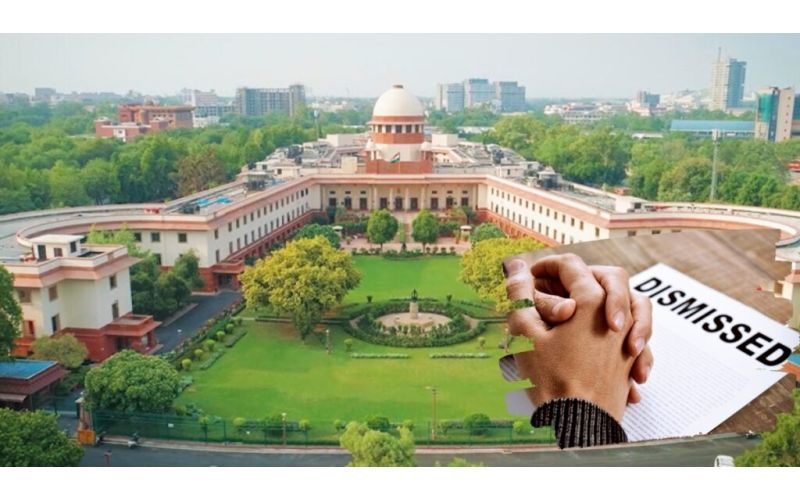
2020 Delhi Riots: SC Dismisses Delhi Police’s Pleas Against HC Verdicts Granting Bail To Three Student Activists
The Supreme Court on Tuesday dismissed the pleas filed by the Delhi Police against the bail granted to three student activists in the 2020 North East Delhi riots case. A bench of Justices S K Kaul and A Amanullah passed the order ...
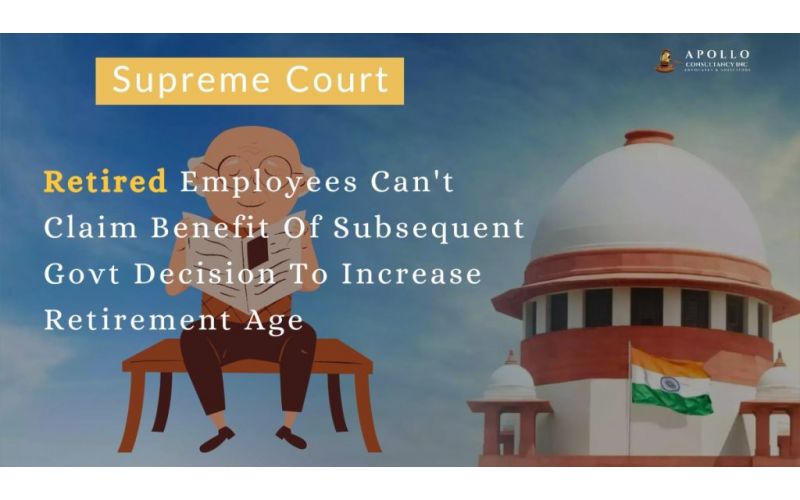
Retired Employees Can’t Claim Benefit Of Subsequent Govt Decision To Increase Retirement Age : Supreme Court
The Supreme Court has dismissed a petition filed by a group of teachers in Homeopathic Medical Colleges in Kerala seeking increase of their retirement age from 55 years to 60 years at par with the teachers of other Medical Colleges.The ...

Indian Penal Code
The Indian Penal Code (IPC) is the official criminal code of India. It is a comprehensive code intended to cover all substantive aspects of criminal law. The code was drafted on the recommendations of the first law commission of India ...

Judicial Decorum vs. Legal Expression: Balancing Dissent with Discipline in India’s Courtrooms
🏛️ The Incident That Sparked a National Conversation The recent events in the Supreme Court of India have reignited a fundamental debate — where does a lawyer’s right to expression end and duty to maintain decorum begin? A courtroom is ...

SC removes barrier, allows deaf lawyer Sarah Sunny to argue in sign language; interpreter’s speed amazes CJI, SG
The Supreme Court in India has started allowing sign language interpretation for hearing impaired lawyers, demonstrating that not everything needs to be spoken aloud in court. In a recent case, a deaf advocate was permitted to virtually argue with the ...

SC On Aadhaar: Important Takeaways From The Recent Verdict
The Supreme Court ruled that Aadhaar, the ambitious public scheme that uses biometric data to generate unique identification numbers for citizens, is constitutionally valid, but with conditions. Here are the key takeaways from today’s verdict. Read More >

Speak With Our
Get a Appointment