
𝐄𝐦𝐛𝐫𝐚𝐜𝐢𝐧𝐠 𝐋𝐞𝐠𝐚𝐥 𝐓𝐞𝐜𝐡𝐧𝐨𝐥𝐨𝐠𝐲: 𝐈𝐧𝐧𝐨𝐯𝐚𝐭𝐢𝐨𝐧𝐬 𝐒𝐡𝐚𝐩𝐢𝐧𝐠 𝐭𝐡𝐞 𝐅𝐮𝐭𝐮𝐫𝐞 𝐨𝐟 𝐋𝐚𝐰
|
In today's rapidly evolving digital landscape, the legal industry stands at the precipice of transformation. As advancements in technology redefine the way we work, communicate, and interact, the realm of law is not immune to these revolutionary changes. At Eos Chambers, we recognize the profound impact of legal technology and embrace its potential to redefine the practice of law.
The Evolution of Legal Technology 🌐📚
Gone are the days when legal professionals relied solely on dusty law libraries and stacks of paperwork. The advent of legal technology has ushered in a new era of efficiency, accessibility, and innovation. From artificial intelligence (AI) to blockchain and cloud computing, these technologies are not just buzzwords but integral tools reshaping how legal services are delivered.
Enhancing Efficiency and Accessibility ⚡💼
One of the primary benefits of legal technology is its ability to streamline processes and enhance efficiency. Tasks that once consumed hours of manual labor can now be automated through AI-powered tools. Case research, document review, and contract drafting are now faster and more accurate, allowing lawyers to focus more on strategic legal analysis and client advocacy.
Moreover, legal technology enhances accessibility to justice. Virtual law firms, online legal services, and remote court proceedings have made legal assistance more accessible to individuals and businesses regardless of geographic location. At Eos Chambers, we leverage these technologies to bridge gaps and provide our clients with seamless access to legal expertise.
Transforming Client Engagement 🤝📲
Legal technology is not just transforming how lawyers work but also how they interact with clients. Client portals, secure messaging apps, and virtual conferencing platforms have revolutionized communication channels, enabling lawyers to stay connected with clients in real-time. This enhanced connectivity fosters stronger client relationships built on trust, transparency, and responsiveness.
Ensuring Data Security and Privacy 🔒🛡️
While the benefits of legal technology are undeniable, it also brings forth critical considerations such as data security and privacy. At Eos Chambers, we prioritize robust cybersecurity measures to safeguard sensitive client information. From encryption protocols to secure cloud storage solutions, we ensure compliance with regulatory standards and maintain client confidentiality at all times.
Looking Ahead: The Future of Legal Innovation 🚀🔍
As we look to the future, the pace of legal innovation shows no signs of slowing down. Emerging technologies like predictive analytics, machine learning, and virtual reality are poised to further revolutionize legal practice. These technologies offer unprecedented insights into case outcomes, enhance legal research capabilities, and provide immersive courtroom experiences.
At Eos Chambers, we remain committed to staying at the forefront of these advancements. By embracing legal technology, we not only enhance our capabilities but also redefine what it means to deliver exceptional legal services in the 21st century. As advocates for innovation, we continue to explore new frontiers, harnessing technology to empower our clients and drive positive change within the legal profession.
Conclusion 🏛️✨
In conclusion, legal technology is not merely a tool but a catalyst for transformation within the legal industry. At Eos Chambers, we embrace these innovations wholeheartedly, recognizing their potential to enhance efficiency, improve client outcomes, and uphold the principles of justice. As we navigate the complexities of a digital age, our commitment to innovation remains unwavering, ensuring that we continue to deliver unparalleled legal expertise and service excellence.
Join us on this transformative journey as we harness the power of legal technology to shape a brighter future for our clients and our profession.
Post Categories
Featured Posts








Latest Posts








Latest Posts

Empowering NRIs with Insights into Taxes, Investments, and Banking Regulations
Introduction: The financial landscape for Non-Resident Indians (NRIs) is complex, spanning a myriad of regulations, taxes, and investment opportunities. As global citizens, NRIs navigate diverse economic ecosystems, balancing rights and responsibilities across borders. In this article, we delve into the ...

Motor Accident Claims | No Right To Recovery For Insurer Merely Because Vehicle Owner Didn't Verify Driver's License : Supreme Court
The Supreme Court on Monday (30th October) held that an insurance company cannot claim that it is not liable to pay compensation in a motor vehicle accident claim just because the vehicle owner did not verify the genuineness of the ...

Adultery No Longer A Criminal Offence In India, Rules Supreme Court
The Rajya Sabha has passed the Jammu and Kashmir The court underlined that Section 497 treats women as properties of their husbands and is hence manifestly discriminatory. It trashed the central government’s defense of Section 497 that it protects sanctity ...
Elevate Your Legal Strategy with Expert Witness Preparation Support
Introduction: In the realm of legal proceedings, witness testimony can make or break a case. It's the narrative that often tips the scales of justice. Yet, preparing witnesses for the courtroom is a nuanced art—one that demands expertise, strategy, and ...
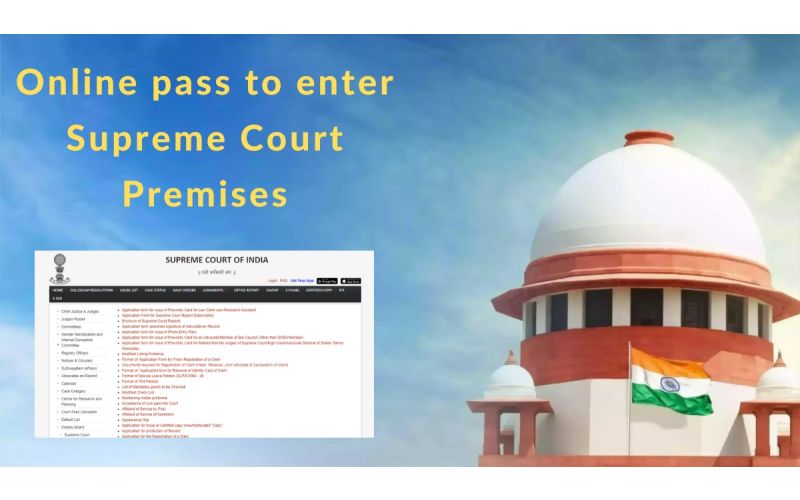
Get Online Pass To Enter Supreme Court Premises
The Supreme Court on Thursday launched ‘SuSwagatam’, a new initiative to generate entry passes online to help those who need to visit the court premises for various purposes. Chief Justice of India (CJI) D Y Chandrachud on Thursday announced the ...
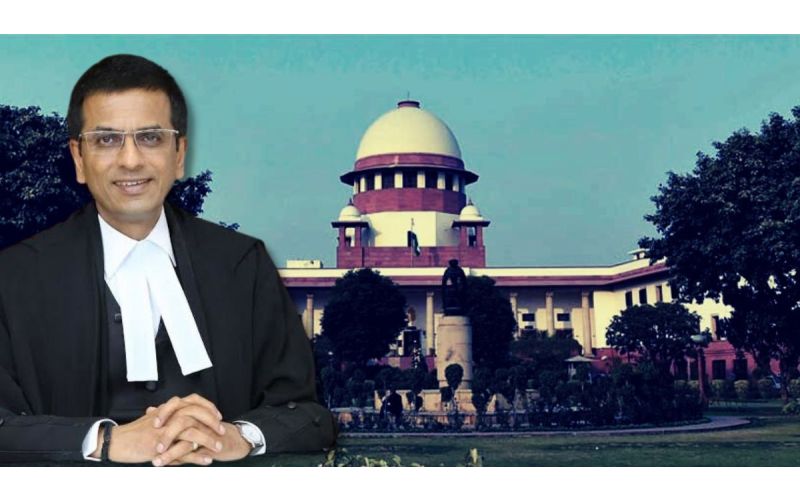
Can’t Seek Immunity From Legal Provisions Because Contract In President’s Name: SC
Defending the Centre, ASG argued that the contract in the case stands on a different footing as it is entered into in the name of the President.The Union of India cannot demand an immunity from the operation of pertinent legal ...

Speak With Our
Get a Appointment