
Can’t Seek Immunity From Legal Provisions Because Contract
Can’t Seek Immunity From Legal Provisions Because Contract In President’s Name: SC
|
Defending the Centre, ASG argued that the contract in the case stands on a different footing as it is entered into in the name of the President.
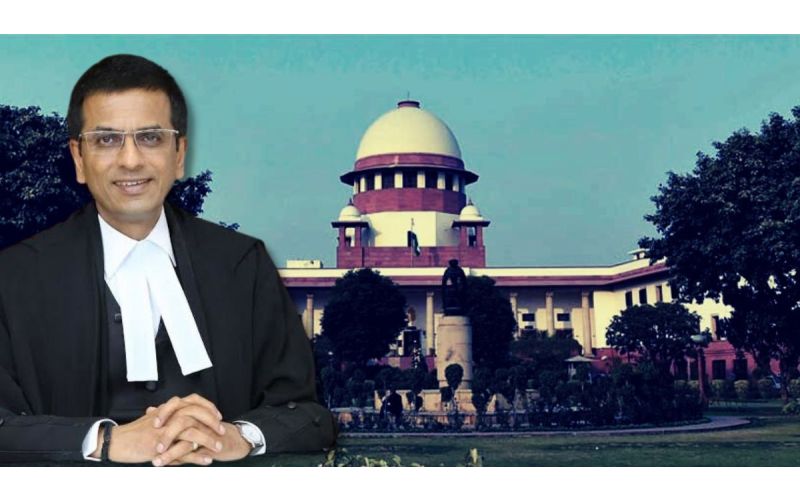
The Union of India cannot demand an immunity from the operation of pertinent legal provisions just because a contract is in the name of the President of India, the Supreme Court ruled on Friday.
A bench, comprising Chief Justice of India Dhananjaya Y Chandrachud and justices PS Narasimha and JB Pardiwala, interpreted Article 299 of the Constitution to hold that the central government, as a party to a contract, cannot wriggle out of statutory bars by arguing that the contract is in the name of the President of India.
Article 299 provides that all contracts in the exercise of the executive power of the union or of a State shall be expressed to be made by the President or by the Governor of the State, and all such contracts will be executed by a person duly authorized in that behalf.
“Having considered the purpose and object of Article 299, we are of the clear opinion that a contract entered into in the name of the President of India, cannot and will not create an immunity against the application of any statutory prescription imposing conditions on parties to an agreement, when the Government chooses to enter into a contract,” held the judgment, authored by justice Narasimha.
Post Categories
Featured Posts



Latest Posts








Latest Posts
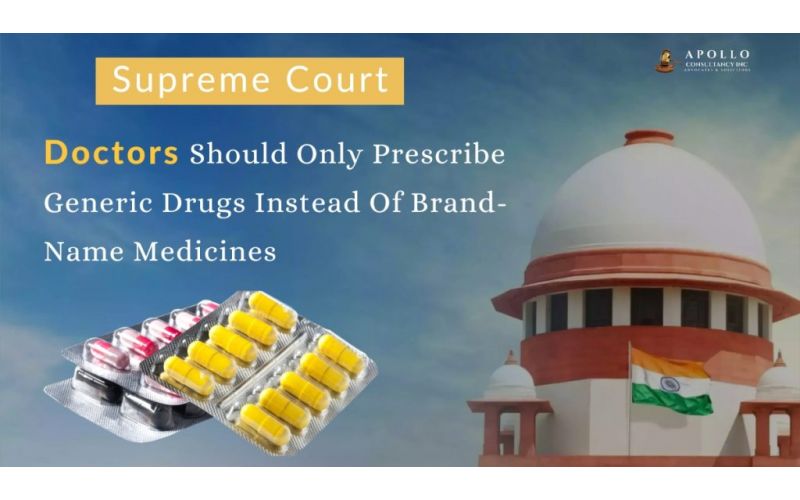
SC Issues Notice On PIL Seeking Action Against Doctors Who Do Not Prescribe Generic Medicines
The plea said that affordability of medicines is a vital factor that contributes to effective healthcare delivery and the realization of the ‘right to health’ The Supreme Court on Friday issued notice on a PIL seeking disciplinary actions against doctors ...
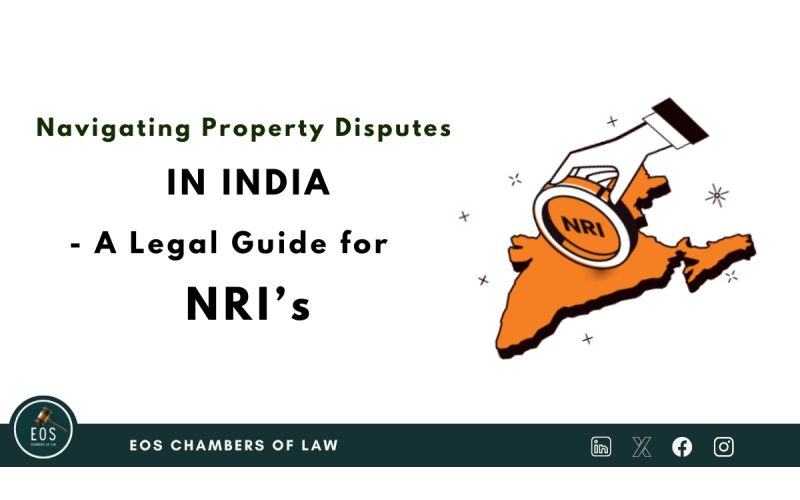
𝐍𝐚𝐯𝐢𝐠𝐚𝐭𝐢𝐧𝐠 𝐏𝐫𝐨𝐩𝐞𝐫𝐭𝐲 𝐃𝐢𝐬𝐩𝐮𝐭𝐞𝐬 𝐢𝐧 𝐈𝐧𝐝𝐢𝐚: 𝐀 𝐋𝐞𝐠𝐚𝐥 𝐆𝐮𝐢𝐝𝐞 𝐟𝐨𝐫 𝐍𝐑𝐈𝐬 🏡
Property disputes can be particularly challenging for Non-Resident Indians (NRIs) who may face issues like illegal possession, inheritance conflicts, and unclear property titles. Managing these disputes from abroad adds further complexity. Here are some essential legal tips for NRIs to ...

Contract Law in the Digital Age: How E-Contracts Are Transforming Legal Agreements
In today's fast-paced, technology-driven world, traditional paper-based contracts are swiftly being replaced by electronic contracts, or e-contracts. This shift is transforming the way legal agreements are created, executed, and enforced. Here’s an in-depth look at how e-contracts are revolutionizing contract ...
Remote Work and Employment Law in India: Navigating Legal Implications for Employers and Employees
Remote Work and Employment Law in India: Navigating Legal Implications for Employers and Employees The rise of remote work, accelerated by the COVID-19 pandemic, has fundamentally changed the way businesses operate and employees engage with their work. While remote work ...
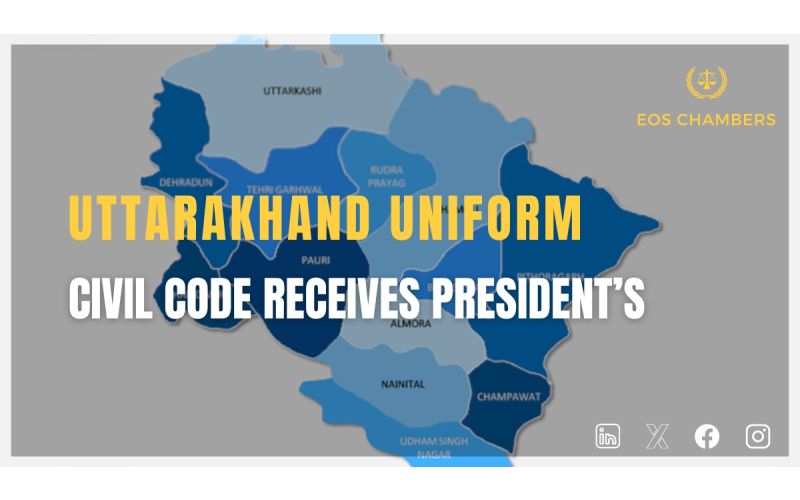
Uttarakhand Uniform Civil Code Receives President's Approval
In a crucial development, the Uttarakhand Uniform Civil Code (UCC) Bill, 2024 has been granted assent by President of India Droupadi Murmu. It may be recalled that in 2022, a committee was formed by Pushkar Singh Dhami-led Uttarakhand Government to ...
Section 313 CrPC | 'Right To Remain Silent Not Be Used Against Accused' : Supreme Court Summarises 12 Principles
Recently, the Supreme Court, in a noteworthy judgment, while acquitting a woman accused of killing her own child and was convicted for murder and sentenced to life imprisonment, also decided the question of what may be required of the convict ...

Speak With Our
Get a Appointment