
New Training Programme For New Lawyers. By Chief Justice Of
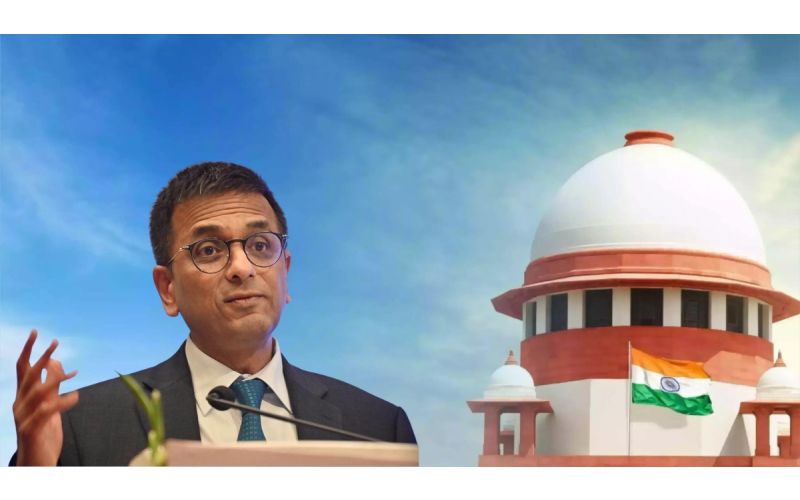
New Training Programme For New Lawyers. By Chief Justice Of India DY CHANDRACHUD 🇮🇳
|
‘Judges can’t burden lawyers due to uneasiness with technology’: CJI Chandrachud-
CJI Chandrachud appealed to judges to continue hybrid hearings, saying that this was not just meant for the Covid-19 pandemic period.
Chief Justice of India (CJI) DY Chandrachud on Saturday batted for the use of technology and artificial intelligence (AI) tools in the judiciary and appealed to judges to continue hybrid hearings, saying that this was not just meant for the Covid-19 pandemic period.
Addressing the two-day national conference on digitization, paperless court and e-initiative programme in Odisha’s Cuttack, the CJI said he gets a lot of public interest litigations(PILs) from lawyers across India that hybrid hearings have been stopped and a parliamentary standing committee had found that so much of technology infrastructure set up in high courts was obsolete.
“I would appeal to the Chief Justices that please do not disband that infrastructure, and technology. It was not confined to the COVID 19 pandemic. It was for Covid and beyond,” the CJI said.
“(A) parliamentary standing committee told us that in high courts, so much of technology infrastructure which has been set up is obsolete as it is not used… screens and other ICT is kept in a corner as a reminder that we once used technology. The committee said how will IT work, if so many high courts start discarding the infrastructure? Some high courts have disbanded video conference system but the infrastructure is in place. The question is not about the infrastructure but are we using it?” he said.
He further said that AI tools would be useful even as judges’ discretion would be necessary for sentencing.
“In one of my judgments which I was editing last night, I have said we cannot burden our lawyers due to our uneasiness with technology. The answer is simple: retrain ourselves,” he said.
“We do not think we want to cede our discretion, which we exercise on sound judicial lines in terms of sentencing policy. At the same time, AI is replete with possibilities, and it is possible for the Supreme Court to have record of 10,000 or 15,000 pages? How do you expect a judge to digest documents of 15,000 pages, which comes with a statutory appeal,” he said.
The CJI said that the new version of Supreme Court’s e-filing portal for crowd testing is in the final stage.
“We have aksed AoRs etc to come in groups who would be made aware of e-filing. The munshi and clerks are being trained and they cannot be left behind in the march of technology. The idea is to have mascots (representative members of the bar) who will do all e-filings, before we make it mandatory for all. Once e filing is there, there should be no physical filing,” he said.
While referring to the livestreaming of court proceedings, the CJI said that today most high courts are doing live streaming. “There are clips on Youtube of a Patna high court judge asking an IAS officer why he was not appropriately dressed and a Gujarat HC judge asking a lawyer why she is not prepared with her case going around. Lot of funny stuff is going on on YouTube which we need to control, because this is serious stuff. What happens in the court is extremely serious stuff,” said the CJI.
The CJI said after launching the LGBTQ handbook, the SC would launch a legal glossary of gender-inappropriate terms. “We have read lines like the victim was ravished by appellants or terms like ‘concubine’. Then terms like ‘Negro arrested with cocaine’. The glossary would not belittle our judiciary but in the times we are moving ahead, we pay more attention to language as much as to the substance,” he said.
Source
Post Categories
Featured Posts







Latest Posts








Latest Posts

NRIs and Taxation in India: Legal Tips for Compliance and Avoiding Disputes
Navigating the tax landscape in India can be challenging for Non-Resident Indians (NRIs). Understanding your tax obligations is crucial to avoid disputes and penalties. Here are some essential legal tips to help NRIs ensure compliance and protect their financial interests: ...

Repatriation of Funds and Investments: Legal Guidelines for NRIs
For Non-Resident Indians (NRIs), repatriating funds and investments back to their country of residence is a crucial aspect of financial management. However, navigating the legal landscape can be complex. Here are essential guidelines NRIs should follow to ensure smooth and ...
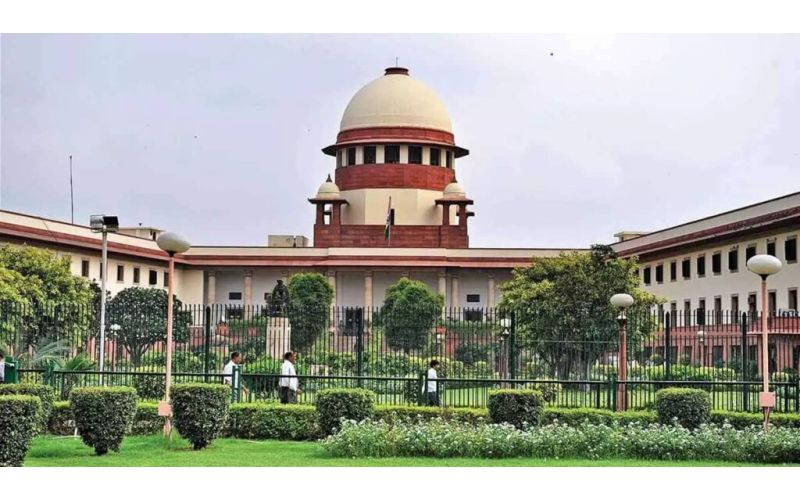
Adultery No Longer A Criminal Offence In India, Rules Supreme Court
The Rajya Sabha has passed the Jammu and Kashmir The court underlined that Section 497 treats women as properties of their husbands and is hence manifestly discriminatory. It trashed the central government’s defense of Section 497 that it protects sanctity ...
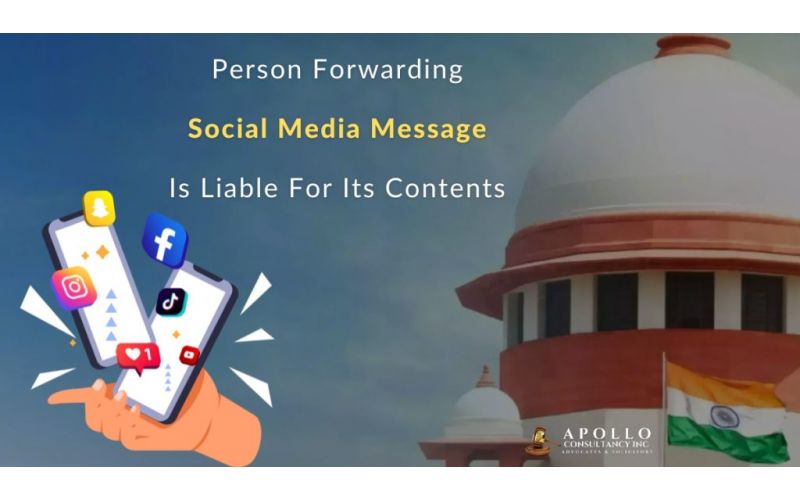
Supreme Court Sides With Madras HC: Person Forwarding Social Media Messages Liable For Contents
The Madras High Court had noted that Shekher was a person of high stature and had many followers. It stated that he should have exercised more caution when forwarding messages. The Supreme Court refused to entertain an appeal challenging Madras ...

#𝐊𝐧𝐨𝐰𝐓𝐡𝐞𝐋𝐚𝐰 | 𝐂𝐚𝐧 𝐘𝐨𝐮 𝐅𝐢𝐫𝐞 𝐚𝐧 𝐄𝐦𝐩𝐥𝐨𝐲𝐞𝐞 𝐖𝐢𝐭𝐡𝐨𝐮𝐭 𝐍𝐨𝐭𝐢𝐜𝐞?
YES! 🚫 𝐎𝐧𝐥𝐲 𝐢𝐧 𝐞𝐱𝐜𝐞𝐩𝐭𝐢𝐨𝐧𝐚𝐥 𝐜𝐚𝐬𝐞𝐬 — like proven misconduct, criminal activity, or if the employment contract specifically permits termination without notice. 🧾 𝐔𝐧𝐝𝐞𝐫 𝐭𝐡𝐞 𝐈𝐧𝐝𝐮𝐬𝐭𝐫𝐢𝐚𝐥 𝐃𝐢𝐬𝐩𝐮𝐭𝐞𝐬 𝐀𝐜𝐭, 1947, and state-specific Shops & Establishment Acts, arbitrary dismissal can invite legal ...

ADR in Real Estate & Construction Disputes | Fast-Track Legal Solutions
The real estate and construction sector in India is one of the fastest-growing industries, but it is also one of the most dispute-prone. Delays in possession, payment disputes, contractor disagreements, quality issues, and non-compliance with project timelines often lead to ...

Speak With Our
Get a Appointment