
Punjab & Haryana High Court Issues Guidelines To Check Unnec
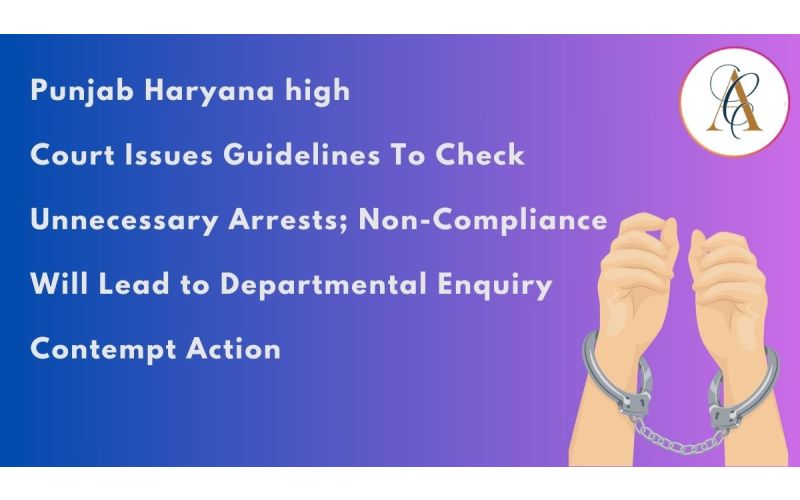
Punjab & Haryana High Court Issues Guidelines To Check Unnecessary Arrests; Non-Compliance Will Lead To Departmental Enquiry, Contempt Action
|
The Punjab & Haryana High Court has issued guidelines in compliance with the Supreme Court directions in Md. Asfak Alam v. State of Jharkhand & Anr. to ensure that police officers do not make unnecessary arrests and that Magistrates do not casually or mechanically authorize detentions.“The following guidelines are framed by the High Court of Punjab and Haryana at Chandigarh...
Post Categories
Featured Posts



Latest Posts








Latest Posts
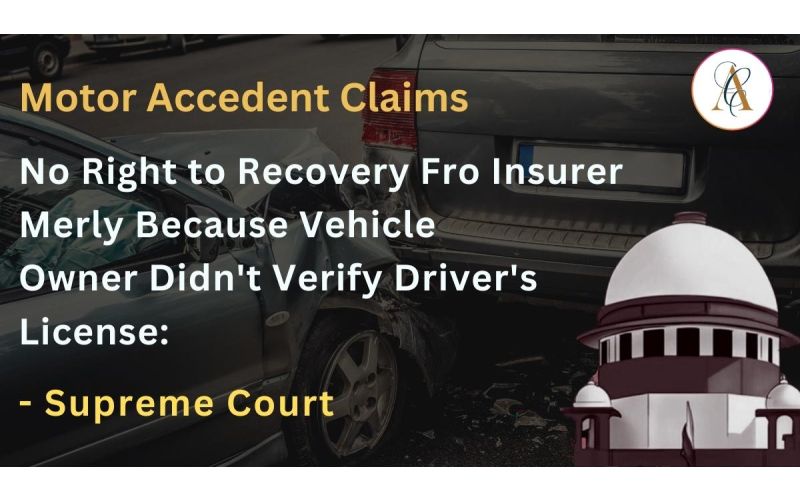
Motor Accident Claims | No Right To Recovery For Insurer Merely Because Vehicle Owner Didn't Verify Driver's License : Supreme Court
The Supreme Court on Monday (30th October) held that an insurance company cannot claim that it is not liable to pay compensation in a motor vehicle accident claim just because the vehicle owner did not verify the genuineness of the ...
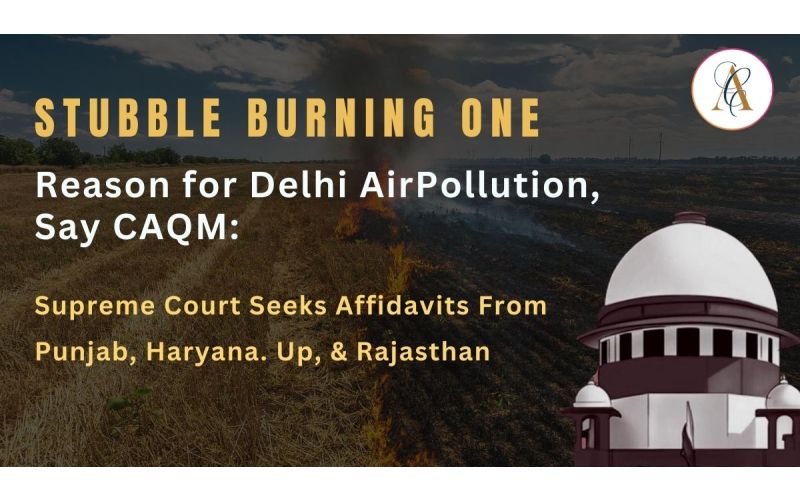
Stubble Burning One Reason For Delhi Air Pollution, Says CAQM; Supreme Court Seeks Affidavits From Punjab, Haryana, UP, Rajasthan
The Supreme Court on Tuesday (October 31) asked the Governments of Punjab, Haryana, Uttar Pradesh, Rajasthan and Delhi to file affidavits setting forth the steps they have taken to control air pollution including the measures to curb crop burning. This ...

Permanent Establishment (PE) Risk for Foreign Companies in India – 2026 Compliance Alert
Introduction: Why PE Risk Is a Serious Compliance Issue in 2026 India continues to witness heightened scrutiny of foreign companies operating through subsidiaries, employees, consultants, and digital presence. With increased data sharing, GST intelligence, and income-tax investigations, Permanent Establishment (PE) ...
Remote Work and Employment Law in India: Navigating Legal Implications for Employers and Employees
Remote Work and Employment Law in India: Navigating Legal Implications for Employers and Employees The rise of remote work, accelerated by the COVID-19 pandemic, has fundamentally changed the way businesses operate and employees engage with their work. While remote work ...
Punjab & Haryana High Court Issues Guidelines To Check Unnecessary Arrests; Non-Compliance Will Lead To Departmental Enquiry, Contempt Action
The Punjab & Haryana High Court has issued guidelines in compliance with the Supreme Court directions in Md. Asfak Alam v. State of Jharkhand & Anr. to ensure that police officers do not make unnecessary arrests and that Magistrates do ...
Section 47 CPC | Executing Court Can Consider Only Questions Limited To Execution Of Decree; Can't Go Behind Decree: Supreme Court
Lamenting the long delay in the execution of decrees, the Supreme Court observed that under Section 47 of the Code of Civil Procedure, the Executing Court can only go into questions that are limited to the execution of decree and ...

Speak With Our
Get a Appointment