
Navigating the Future: The Rising Demand for Faster Resoluti
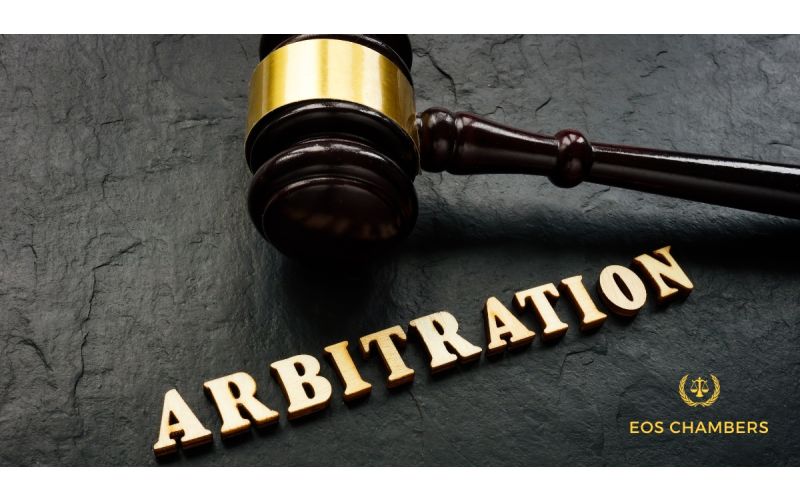
Navigating the Future: The Rising Demand for Faster Resolutions through Arbitration
|
Dear community
In the ever-evolving landscape of dispute resolution, the demand for faster and more efficient solutions is on the rise. As businesses and individuals seek alternatives to protracted litigation, arbitration has emerged as a compelling choice. Let's delve into the world of arbitration and explore its increasing demands for expedited resolutions.
🔍 The Need for Speed: A Shifting Paradigm in Dispute Resolution
In a world where time is of the essence, the traditional legal processes often fall short in meeting the demand for swift resolutions. Arbitration, as an alternative dispute resolution mechanism, steps in to bridge this gap. Parties are increasingly turning to arbitration to streamline the resolution process, minimizing the time and resources spent on lengthy court proceedings.
⚖️ The Arbitration Advantage: Key Factors Driving Demand
- Efficiency and Timeliness:Arbitration offers a more streamlined and efficient process compared to traditional litigation.Parties have greater control over the schedule, allowing for faster resolutions tailored to their needs.
- Cost-Effectiveness:The cost of arbitration is often more predictable and controlled than the unpredictable costs associated with litigation.With reduced procedural complexities, arbitration can lead to significant cost savings.
- Confidentiality:Arbitration proceedings are private and confidential, providing a level of discretion often absent in open court hearings.This confidentiality is particularly appealing to businesses seeking to protect sensitive information.
- Flexibility and Customization:Parties have the flexibility to choose their arbitrators and shape the process to meet their specific needs.This customization allows for a more tailored and focused resolution process.
🚀 Meeting the Demand: How Arbitration Adapts
Arbitration institutions and practitioners are keenly aware of the increasing demand for faster resolutions. To meet this demand, they are adopting innovative approaches and embracing technology to expedite proceedings. Online platforms, virtual hearings, and procedural simplifications are becoming integral parts of the arbitration landscape, ensuring a balance between efficiency and due process.
💼 Arbitration in Action: Realizing Faster Resolutions
Businesses across industries are recognizing the benefits of arbitration in achieving timely and effective dispute resolutions. From commercial disputes to employment conflicts, arbitration is becoming the go-to choice for those seeking a faster and more efficient path to resolution.
🌐 Looking Forward: The Future of Arbitration
As we look to the future, the trajectory of arbitration is clear – an increasing demand for faster resolutions. This shift underscores the need for legal practitioners, businesses, and policymakers to adapt and collaborate in shaping a dispute resolution landscape that aligns with the evolving needs of the modern world.
In conclusion, as the demand for faster resolutions continues to shape the legal landscape, arbitration stands out as a beacon of efficiency. Its ability to provide timely, cost-effective, and confidential resolutions positions it at the forefront of dispute resolution mechanisms. Let us embrace this evolution and work together to navigate the future of arbitration.
Disclaimer: This article is for informational purposes only and does not constitute legal advice. Consult with a qualified attorney for advice regarding your individual situation.
#Arbitration #DisputeResolution #LegalInnovation #BusinessSuccess #eoschambersoflaw #eoschambers
Post Categories
Featured Posts




Latest Posts








Latest Posts
SC Ruling On User Development Fee Provides Guidance For GST, Tax On Royalty
The SC had held that UDF collected by the DIAL is in the nature of statutory levy and the same would not be taken as consideration against any services.A recent judgment by the Supreme Court (SC) on the user development fee (UDF) collected by the Delhi International Airport Limited (DIAL) ...
Evolving Social and Constitutional Rights for LGBTQ+ Communities
The journey toward equality for LGBTQ+ communities in India has been marked by significant legal and social milestones. From the decriminalization of same-sex relationships to ongoing debates about marriage equality and adoption rights, the evolution of LGBTQ+ rights reflects the ...
Private Class 12 Student Eligible To Take NEET, Says NMC; Supreme Court Allows MBBS Admission
The Supreme Court recently allowed a candidate who passed Class 12 as a private student to take admission for MBBS course after NEET counselling. This was after the National Medical Commission informed the Court that as per the latest Graduate ...
Punjab & Haryana High Court Issues Guidelines To Check Unnecessary Arrests; Non-Compliance Will Lead To Departmental Enquiry, Contempt Action
The Punjab & Haryana High Court has issued guidelines in compliance with the Supreme Court directions in Md. Asfak Alam v. State of Jharkhand & Anr. to ensure that police officers do not make unnecessary arrests and that Magistrates do ...
Empowering NRIs: Facilitating Political Participation Through Voting Rights!
Introduction: In the digital age of globalization, the world is more interconnected than ever before. Non-Resident Indians (NRIs) are an integral part of this global community, contributing to economies, cultures, and societies around the world. However, despite their significant impact, ...
UAPA| Terrorism Cases Not To Be Taken Lightly: Supreme Court Sets Aside Default Bail
In a case pertaining to grant of default bail to a person accused under the Unlawful Activities (Prevention) Act, 1967 (“UAPA”), the Supreme Court yesterday allowed an appeal filed by the Delhi police, observing that the High Court fell in ...

Speak With Our
Get a Appointment