
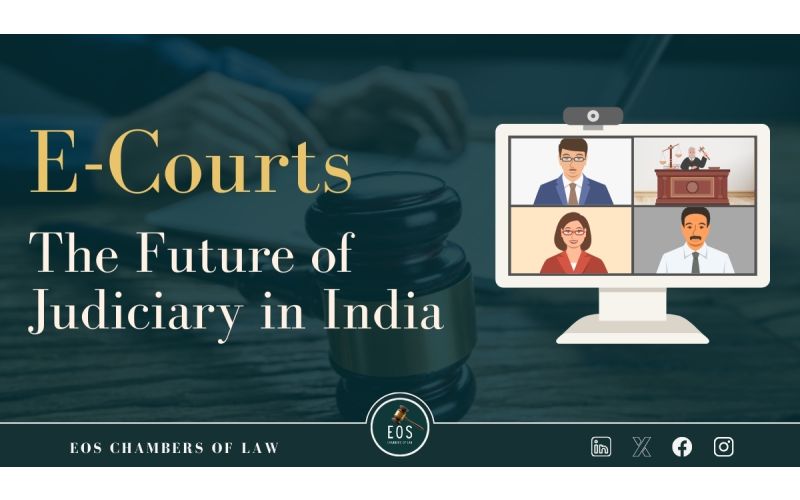
E-Courts: The Future of Judiciary in India
E-Courts: The Future of Judiciary in India
|
India’s judiciary is at a crossroads, with digitization and judicial reforms paving the way for increased efficiency, transparency, and accessibility. The e-Courts initiative, launched by the Indian judiciary under the National e-Governance Plan (NeGP), is a transformative step toward modernizing the country’s legal system.
What is the e-Courts Project?
The e-Courts project aims to provide ICT-enabled services to litigants, lawyers, and the judiciary. It includes the establishment of digital infrastructure in courts, enabling electronic filing (e-filing), virtual hearings, and online access to case information.
Launched in 2007, the initiative is being implemented in three phases:
- Phase I (2007–2015): Focused on computerizing district and subordinate courts and providing basic digital infrastructure.
- Phase II (2015–present): Introduced e-filing, case status portals, and video conferencing facilities.
- Phase III (2021 onwards): Emphasizes judicial process automation, artificial intelligence, and an open data policy.
Key Features of E-Courts
- Online Case Management Systems:
Litigants and lawyers can view case statuses, cause lists, and judgments online, ensuring transparency and reducing physical visits to court. - E-Filing and Virtual Hearings:
Documents can be filed digitally, and virtual courtrooms allow hearings via video conferencing, saving time and resources. - Digital Case Records:
Court records are being digitized to ensure easy access and prevent document loss. - Integrated Online Payment:
Enables litigants to pay court fees and fines digitally.
Benefits of E-Courts
- Enhanced Accessibility:
Rural litigants and those with limited mobility can access judicial services online, reducing disparities in access to justice. - Efficiency:
Digitization speeds up case management, reducing the pendency of cases—a significant issue in India’s overburdened judiciary. - Transparency:
Online case tracking enhances trust in the judicial process by making case information publicly available. - Cost-Effectiveness:
Virtual hearings and e-filing reduce the expenses associated with physical court visits.
Challenges in Implementation
- Digital Divide:
Limited internet access and technological literacy in rural and underprivileged areas hinder the widespread adoption of e-Courts. - Data Security:
Protecting sensitive judicial data from cyber threats is a critical concern. - Resistance to Change:
Traditionalists within the legal fraternity may resist adopting new technologies. - Infrastructure Gaps:
Many courts still lack adequate digital infrastructure and trained personnel.
The Way Forward
- Capacity Building:
Training programs for judges, lawyers, and court staff will facilitate smoother adoption of e-Courts. - Public Awareness:
Outreach initiatives to educate litigants about the benefits and use of e-Courts can bridge the digital divide. - Robust Cybersecurity Measures:
Implementing stringent data protection policies will safeguard sensitive information. - AI Integration:
Leveraging artificial intelligence for predictive case management, legal research, and decision support can revolutionize the judiciary.
Conclusion
E-Courts represent a monumental leap toward a more accessible, efficient, and transparent judiciary in India. While challenges persist, a phased approach to implementation, coupled with investments in digital infrastructure and public awareness, will ensure the judiciary evolves in tandem with technological advancements.
The e-Courts initiative is not just a step forward; it’s the foundation for a judicial system that is future-ready, equitable, and just.
Post Categories
Featured Posts








Latest Posts








Latest Posts

Understanding Section 377 of the Indian Penal Code
Section 377 of the Indian Penal Code, a colonial-era law, criminalized "unnatural offenses," including consensual same-sex relationships. However, in a historic judgment on September 6, 2018, the Supreme Court of India decriminalized consensual homosexual acts between adults, marking a significant ...
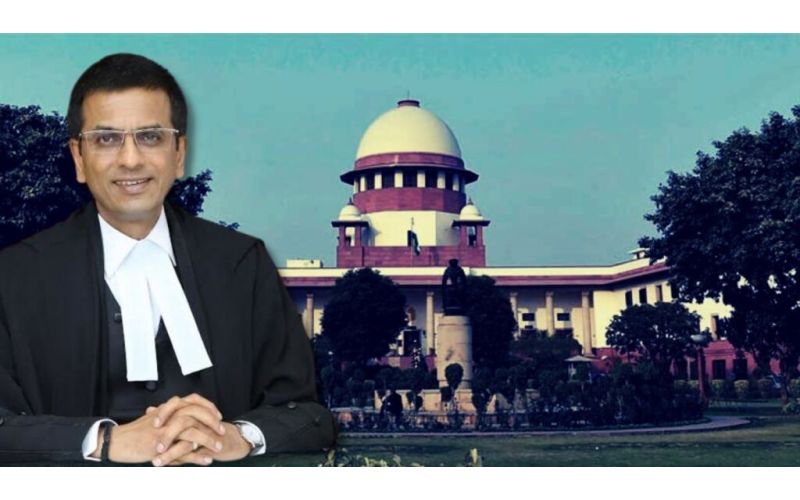
CJI Chandrachud Bats For Mediation As Dispute Resolution Mechanism For Individuals, Govt
NEW DELHI: Chief Justice of India DY Chandrachud batted on Friday for adopting and encouraging mediation, including online mediation, as a mode of dispute resolution other than litigation, saying it would reduce the courts’ caseload and has the potential to ...
Legal Challenges in Remote Work : Solicitors' Guide
Introduction: As remote work continues to redefine the modern workplace, it brings with it a host of legal considerations that businesses and employees must navigate. From data protection to employment law and contractual obligations, the shift to remote work presents ...

UPSC CSE: No Interim Relief, Delhi High Court Asks CAT To Expeditiously Decide On Plea To Lower CSAT Cut-Off
The Delhi High Court on Wednesday asked the Central Administrative Tribunal to decide expeditiously the Plea seeking reduction in the cut off from 33% to 23% for qualifying Part II (CSAT) exam of 2023 Civil Services Examination conducted by UPSC ...

Elevate Your Legal Strategy with Expert Witness Preparation Support
Introduction: In the realm of legal proceedings, witness testimony can make or break a case. It's the narrative that often tips the scales of justice. Yet, preparing witnesses for the courtroom is a nuanced art—one that demands expertise, strategy, and ...
Repatriation of Funds: Guidelines for NRIs
Navigating the repatriation of funds as a Non-Resident Indian (NRI) can be complex, but understanding the guidelines can simplify the process and ensure compliance with Indian regulations. Here's a comprehensive overview to help NRIs manage their finances effectively. 1️⃣ ...

Speak With Our
Get a Appointment