
The Supreme Court’s Ruling on Same-Sex Marriage: What’s
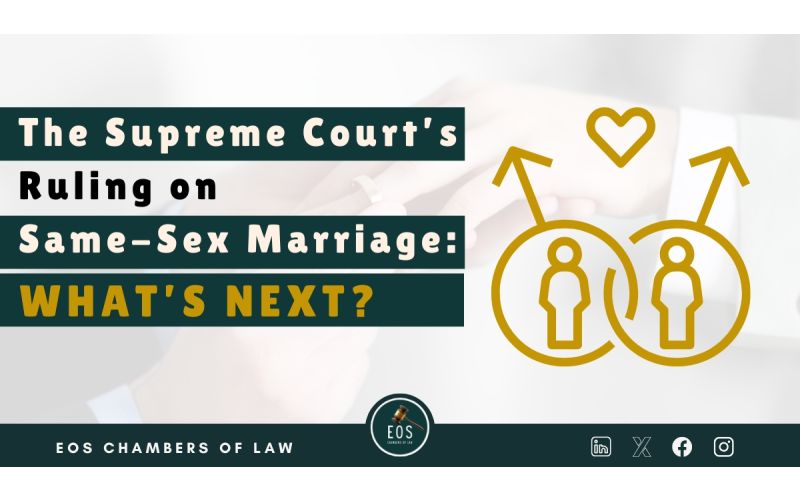
The Supreme Court’s Ruling on Same-Sex Marriage: What’s Next?
|
As legal professionals, we recognize the profound implications of the Supreme Court of India's recent deliberations on same-sex marriage. While the Court refrained from granting full marriage equality, the discussions have paved the way for significant legal discourse on LGBTQ+ rights in India.
Key Aspects of the Ruling:
- Civil Unions vs. Marriage Equality:
The Supreme Court acknowledged the right to love and partnership for LGBTQ+ individuals but stopped short of recognizing same-sex marriage under existing personal laws. The distinction between civil unions and marriage remains at the heart of the debate. - Call for Legislative Action:
The Court emphasized that changes to marriage laws fall within the purview of Parliament, encouraging the legislature to take proactive steps toward addressing the concerns of the LGBTQ+ community. - Parental and Social Acknowledgment:
An important aspect of the judgment was its focus on parental acceptance and the social challenges faced by LGBTQ+ individuals, urging society to be more inclusive.
Challenges Ahead:
- Recognition in Personal Laws:
The lack of recognition in personal laws such as the Hindu Marriage Act and the Special Marriage Act means that same-sex couples remain excluded from critical rights, including adoption, inheritance, and joint property ownership. - Policy Implementation:
Without legal backing, same-sex partnerships face hurdles in administrative processes like joint bank accounts or nomination rights in insurance and pension schemes. - Cultural Resistance:
Despite progressive judicial pronouncements, societal acceptance remains a significant challenge.
The Way Forward:
- Legislative Advocacy:
As legal practitioners, we urge policymakers to draft inclusive laws that reflect the evolving societal norms. Establishing frameworks for civil unions, if not marriage, could be a critical first step. - Corporate Inclusion:
Businesses can take the lead in promoting LGBTQ+ rights through policies that support workplace equality and benefits for same-sex partners. - Public Awareness Campaigns:
Continued efforts to educate society about LGBTQ+ issues will help foster acceptance and inclusion.
At EOS Chambers, we remain committed to advocating for equal rights and providing legal support to marginalized communities. The Supreme Court’s ruling has initiated an important conversation, but the journey toward equality requires collaborative efforts from all stakeholders.
Together, let’s work toward a future where love, dignity, and equality prevail.
Post Categories
Featured Posts







Latest Posts








Latest Posts
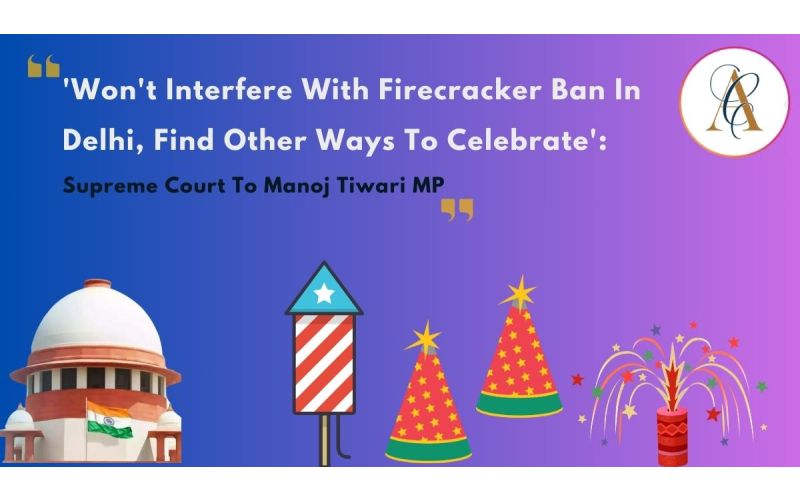
Won’t interfere with firecracker ban in Delhi: SC
Ahead of the festive season, the Supreme Court on Wednesday said that it would not interfere with a decision of a state government if it decides to impose a complete ban on firecrackers, including green crackers, to check pollution level ...
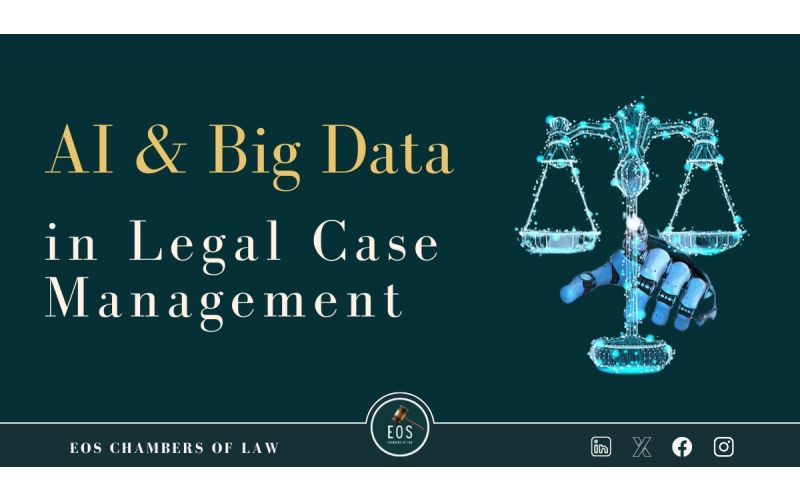
AI and Big Data in Legal Case Management
The integration of artificial intelligence (AI) and big data into legal case management is revolutionizing the way law firms and legal professionals operate. These technologies offer unprecedented opportunities to streamline processes, enhance decision-making, and improve client outcomes. The Role of ...
Can’t Seek Immunity From Legal Provisions Because Contract In President’s Name: SC
Defending the Centre, ASG argued that the contract in the case stands on a different footing as it is entered into in the name of the President.The Union of India cannot demand an immunity from the operation of pertinent legal ...
SC On Aadhaar: Important Takeaways From The Recent Verdict
The Supreme Court ruled that Aadhaar, the ambitious public scheme that uses biometric data to generate unique identification numbers for citizens, is constitutionally valid, but with conditions. Here are the key takeaways from today’s verdict. Read More >
UAPA| Terrorism Cases Not To Be Taken Lightly: Supreme Court Sets Aside Default Bail
In a case pertaining to grant of default bail to a person accused under the Unlawful Activities (Prevention) Act, 1967 (“UAPA”), the Supreme Court yesterday allowed an appeal filed by the Delhi police, observing that the High Court fell in ...

Navigating the Complexities of Corporate & Commercial Laws: Key Considerations for Businesses
In today's dynamic business landscape, understanding and complying with corporate and commercial laws are paramount for organizations aiming to thrive and expand. From formation and governance to contractual relationships and regulatory compliance, adherence to legal frameworks is essential for maintaining ...

Speak With Our
Get a Appointment