
Blog Posts

Legal Ethics & Professionalism: Building Trust in the Legal Industry
🔹 Integrity. Accountability. Confidentiality. These pillars define a true legal professional. But in today’s fast-paced legal landscape, how do we maintain them? ✔ Upholding Client Confidentiality: A lawyer’s duty is to protect sensitive information—breaching it damages trust.✔ Avoiding Conflicts of ...

𝐖𝐡𝐲 𝐋𝐞𝐠𝐚𝐥 𝐃𝐮𝐞 𝐃𝐢𝐥𝐢𝐠𝐞𝐧𝐜𝐞 𝐢𝐬 𝐂𝐫𝐮𝐜𝐢𝐚𝐥 𝐁𝐞𝐟𝐨𝐫𝐞 𝐀𝐧𝐲 𝐁𝐮𝐬𝐢𝐧𝐞𝐬𝐬 𝐌𝐞𝐫𝐠𝐞𝐫
Why Legal Due Diligence is Crucial Before Any Business Merger 📢 Planning a merger or acquisition? Don’t skip legal due diligence—it can make or break the deal! Here’s why: 🔎 What is Legal Due Diligence?It’s a comprehensive review of a ...

Estate Planning and Succession Laws for NRIs: A Comprehensive Guide
Estate Planning and Succession Laws for NRIs: A Comprehensive Guide Estate planning is not just a necessity; it's a critical step in securing your family’s future, ensuring the seamless transfer of assets, and minimizing legal complications. For Non-Resident Indians (NRIs), ...

Legal Challenges in NRI Marriages
Introduction Non-Resident Indian (NRI) marriages, while often joyous, can also bring a unique set of legal challenges. These challenges stem from cross-border legal systems, differing cultural expectations, and complex family dynamics. Understanding these issues is crucial for NRIs and their ...

Understanding Section 377 of the Indian Penal Code
Section 377 of the Indian Penal Code, a colonial-era law, criminalized "unnatural offenses," including consensual same-sex relationships. However, in a historic judgment on September 6, 2018, the Supreme Court of India decriminalized consensual homosexual acts between adults, marking a significant ...

Legal Framework for Virtual Court Hearings: Challenges and Opportunities
The advent of virtual court hearings marks a significant evolution in the judicial system, reshaping traditional courtroom dynamics. While this shift brings efficiency and accessibility, it also introduces unique challenges and opportunities that require careful consideration within the legal framework. ...

AI and Big Data in Legal Case Management
The integration of artificial intelligence (AI) and big data into legal case management is revolutionizing the way law firms and legal professionals operate. These technologies offer unprecedented opportunities to streamline processes, enhance decision-making, and improve client outcomes. The Role of ...
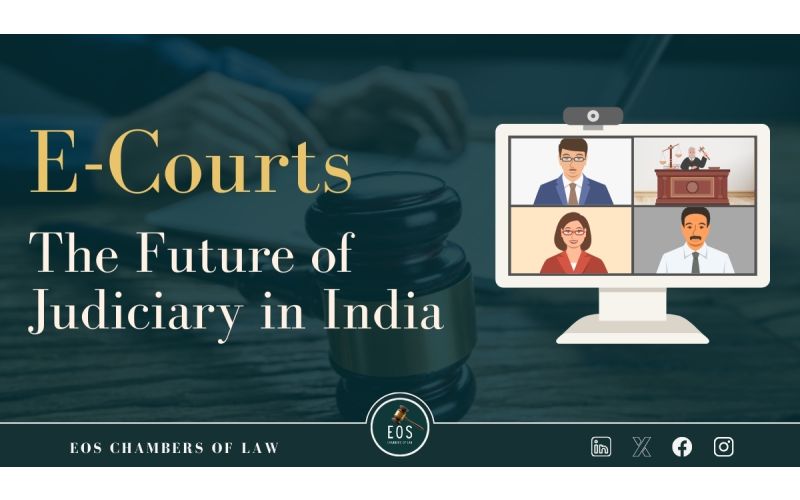
E-Courts: The Future of Judiciary in India
India’s judiciary is at a crossroads, with digitization and judicial reforms paving the way for increased efficiency, transparency, and accessibility. The e-Courts initiative, launched by the Indian judiciary under the National e-Governance Plan (NeGP), is a transformative step toward modernizing ...

Evolving Social and Constitutional Rights for LGBTQ+ Communities
The journey toward equality for LGBTQ+ communities in India has been marked by significant legal and social milestones. From the decriminalization of same-sex relationships to ongoing debates about marriage equality and adoption rights, the evolution of LGBTQ+ rights reflects the ...

Adoption Rights for LGBTQ+ Couples: Legal Challenges in India
We recognize that the right to adopt is one of the most debated and sensitive issues for LGBTQ+ couples in India. Despite increasing societal awareness and progressive judicial rulings, the Indian legal framework still presents substantial challenges for LGBTQ+ individuals ...
Post Categories
Featured Posts








Latest Posts








Latest Posts

The Role of Legal Technology in Modern Law Practices: Embracing the Digital Shift
In today’s rapidly evolving legal landscape, the integration of technology has become more than just a trend—it’s a fundamental shift that is reshaping how legal professionals operate and deliver services. As we embrace this digital transformation, the role of legal ...

Uttarakhand Uniform Civil Code Receives President's Approval
In a crucial development, the Uttarakhand Uniform Civil Code (UCC) Bill, 2024 has been granted assent by President of India Droupadi Murmu. It may be recalled that in 2022, a committee was formed by Pushkar Singh Dhami-led Uttarakhand Government to ...
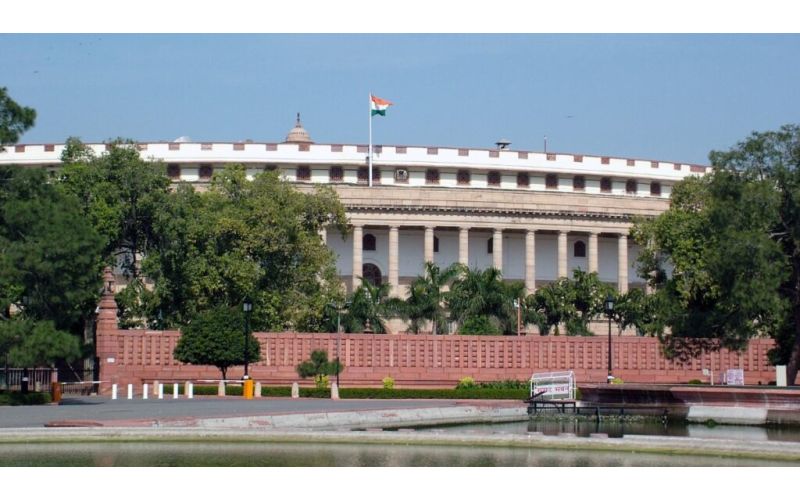
Rajya Sabha Passes J&K Reorganization Bill To Bifurcate Jammu And Kashmir Into Two Union Territories
The Rajya Sabha has passed the Jammu and Kashmir (Reorganization) Bill, 2019, which is set to bifurcate the state of Jammu and Kashmir into two Union territories – Jammu and Kashmir, which will have a legislature, and Ladakh, which will ...

International Arbitration: Navigating Cross-Border Disputes with ADR
As global business transactions increase, so do the risks of cross-border disputes. When parties from different countries find themselves in conflict, traditional litigation can be slow, costly, and fraught with jurisdictional complexities. This is where Alternative Dispute Resolution (ADR)—specifically, international ...
Cheque Bounce Case Can Be Quashed U/S 482 Only If Amount Is Patently Non-Recoverable; Whether Debt Time-Barred Or Not Is A Question Of Evidence : SC
The Supreme Court observed that the question whether a cheque was issued towards a time barred debt is to be decided on evidence. “It is only in cases wherein an amount which is out and out non-recoverable, towards which a ...

S. 50 NDPS Act Not Applicable To Recovery From Bag Carried By A Person: Supreme Court
The Supreme Court recently reiterated that the conditions for personal search as specified in Section 50 of the Narcotic Drugs and Psychotropic Substances Act are applicable only for the search of the physical body of the person and not for ...

Speak With Our
Get a Appointment